How to taste tequila on a day trip from Guadalajara
Most tequila days from Guadalajara pour somewhere between one glass and eight. Knowing the categories and a simple tasting routine makes each pour count for more. This page covers both, then compares the tours with the most serious tastings.
What the four labels mean
Tequila is sorted by how long it rests in oak. Four categories cover almost everything a guide will pour for you on a day trip.
- Blanco: unaged or rested only briefly, the plainest taste of cooked agave
- Reposado: rested 2–12 months in oak
- Añejo: aged 1–3 years
- Extra añejo: aged more than 3 years
Older is not automatically better. A blanco shows the agave clearly, while years in wood add color and softer flavors that can cover the plant. Many tasters judge a distillery by its blanco for exactly that reason.
100% agave or mixto
A bottle marked "100% agave" is made only from blue agave sugars. A mixto needs at least 51% agave sugars, and the rest can come from other sugars.
Mixtos tend to be the cheap bottles behind bars, and they are the ones people blame for a rough morning. On a tour you will mostly taste 100% agave, but the label matters when you shop later.
Every bottle also carries a NOM number, which identifies the distillery that made it. Two brands with the same NOM come from the same distillery, a handy check when you buy bottles in town, as our guide to free time in Tequila town explains.
How to taste a glass, step by step
- Hold the glass to the light and look at the color, from clear blanco to golden añejo
- Smell it with your mouth slightly open, so the alcohol does not swamp the aroma
- Take a small sip and hold it on your tongue for a few seconds
- Swallow, then breathe out slowly through your nose
- Have water or a bite of food before the next glass
The routine slows you down, which helps on a long day. It also makes the differences between categories much easier to notice when four or five glasses sit in a row.
Try the glasses from youngest to oldest. Blanco first lets you meet the agave before the oak takes over, and an añejo at the start would make the blanco seem harsh.
You do not have to finish every sample. Leaving half a glass is normal at a tasting, and you can ask the guide where to pour away what you do not want.
Tasting glass or caballito
The caballito is the tall, narrow shot glass that many Mexican bars use. A proper tasting glass has a rounder bowl and a narrower rim, which gathers the aroma, so tasting rooms tend to use those.
Sip from either one. Shooting a premium tequila throws away what you came to taste, and on a day of many samples it also speeds you up. Our page on how much you will drink has more on pacing.
The tours that pour the most
Destino Agave at ~$59 builds its day around a professional glass tasting of five premium tequilas paired with food. The guide also teaches you to tell 100% agave from mixto, which is useful long after the trip.
A second tasting with an open bar follows at the El Pedregal hacienda in Amatitán. The tour rates 4.8 from 400+ reviews on GetYourGuide and meets near the Minerva roundabout instead of at hotels.
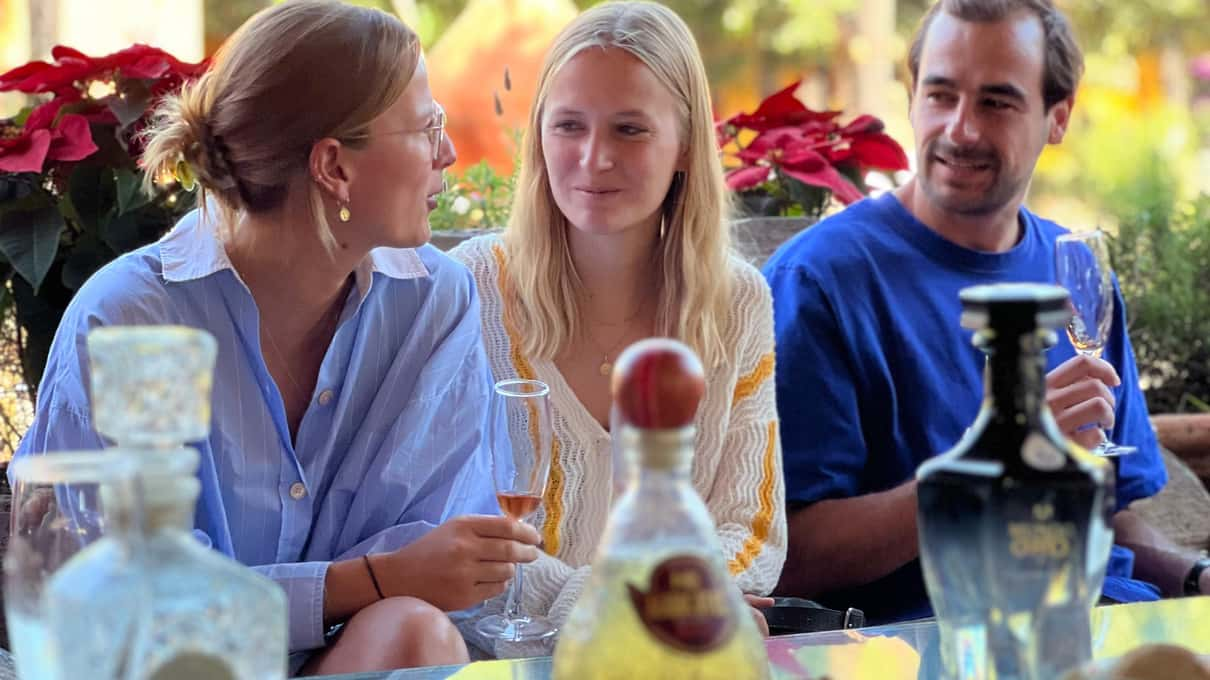
For a tasting you learn from
Destino Agave's day pairs five premium tequilas with food in proper glasses, then adds a second tasting at a hacienda. Lunch in Tequila is extra.
The Agave Experience at ~$149 pours the most of any tour here. After time with a Tequila Master at Tequila Cava de Oro, you get eight tastings of premium tequila and mezcal in a VIP cellar.
Breakfast comes first, which helps with that many glasses. The day lasts about 10 hours and holds 5.0 from 500+ reviews on Viator.
The José Cuervo Express day at ~$289 keeps it to one glass with an expert taster, plus cocktails on the train. Our train or van guide covers what else fills that day.
The other tours pour less. KanKan Tours visits one distillery after the pyramids, and GDL Experiences has the shortest tasting of the six. Our José Cuervo or craft distillery guide lists which house each tour visits.
Mezcal and tequila
All tequila is a kind of mezcal, but not the other way round. Tequila must come from blue agave in a defined region centered on Jalisco, while mezcal can use many agave species and often tastes smoky from piñas roasted in earth pits.
The Agave Experience includes mezcal in its cellar tasting, so you can compare the two side by side. If you only know mezcal from cocktails, that comparison is a good reason to choose that tour.
Before the first glass
The legal drinking age in Mexico is 18. Eat a proper breakfast and drink water between samples, and plan no driving for the rest of the day.
Take a phone note of the tequilas you liked, with the brand and its NOM number. By the third distillery the names blur together, and the note makes buying bottles in town much easier.
If you want the most tasting for the least money, compare the fares in our tequila tour prices guide before you choose.